
Breaking Bread and Biases: Empowering Women for Fast Casual Leadership
Written by: Hannah Lopez
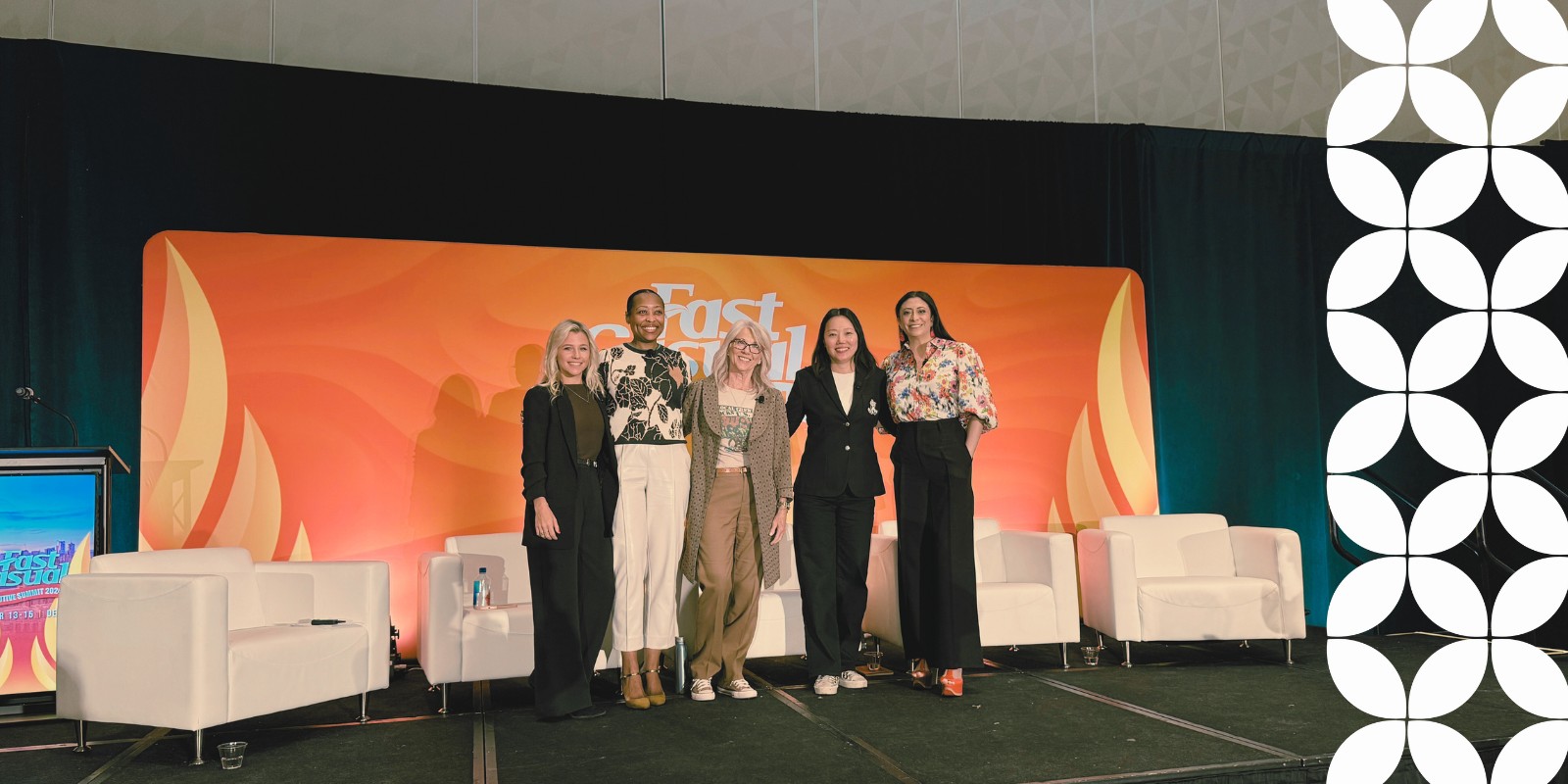
This month, PBFA led a panel discussion, Breaking Bread and Biases: Empowering Women for Fast Casual Leadership, at the 2024 Fast Casual Executive Summit. This conversation brought together dynamic leaders in the hospitality industry who called attention to the persistent challenges women face in leadership roles. I moderated this incredible discussion, with fellow panelists Shokouh (Sho) Shafiei, CEO of DSA Signage and sponsor for the panel; Julie Swift, Founder of the Foodservice Women’s Alliance; Suzie Tsai, CEO of Bonchon; and Charnell Landry, Director of Digital Enablement at Slim’s Sliders. The dialogue offered invaluable insights into the roles of mentorship, sponsorship, leadership, and the ongoing fight for gender parity throughout the entire hospitality industry and beyond.
Having worked first-hand in the hospitality industry through various roles it was inspiring to see the courage that was displayed on the main stage on this very important topic. While nothing was left unsaid, there is so much work to still be done.
In the spirit of feelings not being facts, we laid the groundwork around the gender disparities with data and followed it up with defining differences between mentorship and sponsorship, tactics to bridge the gender gap in leadership roles, personal journeys towards leadership roles and what it really looks like to disrupt the table.
Women’s Leadership is Intersectional
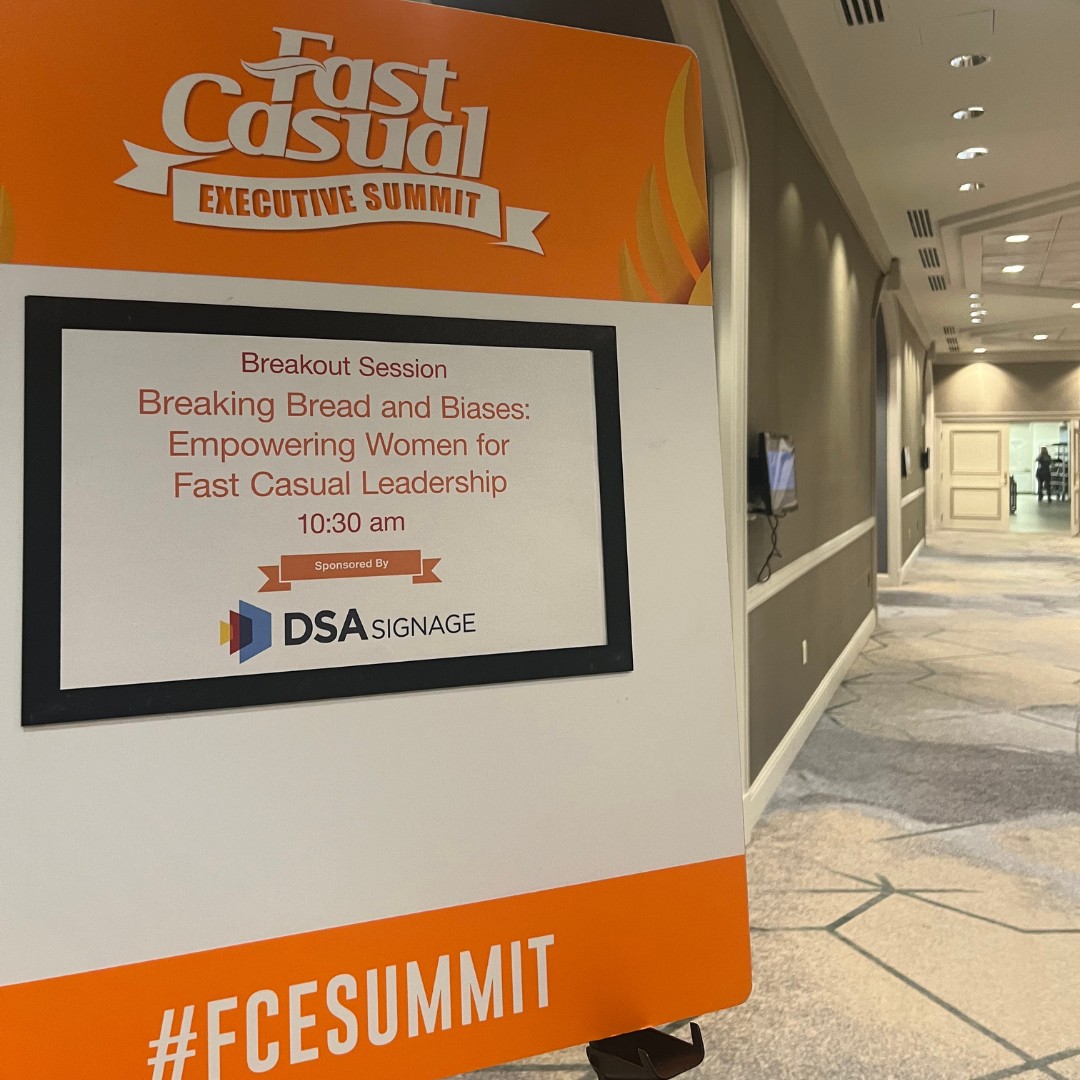
By hosting this conversation about women’s experiences in the hospitality industry, we aim to open the door to further discussions that raise awareness of the systemic roadblocks hindering diversity and inclusion in the workplace. Our goal is to collaboratively identify solutions. Although this panel focused primarily on gender, we are committed to using our platform to enhance understanding of how women's leadership is an intersectional issue. We acknowledge that factors such as race, disabilities, sexual orientation, age, and socioeconomic background significantly shape the nuanced experiences of women in the workplace. By recognizing and addressing these intersectionalities, we can work towards creating a more inclusive and equitable industry for all women.
Summits and tradeshows pose an incredible opportunity to lean into these conversations and connect with retailers and operators who,at the forefront of the food system, can help reimagine our industry’s culture in service to diversity, equity, and inclusion. To recap the panel, I want to call attention to the highlights of our discussion and invite you to think about how you can advocate for yourself and your peers – with these guiding principles in mind – along your own leadership journey.
Building a Professional Community That Wants You to Succeed
A key area of focus for this panel discussion was the tantamount role that an individual’s professional community can play in uplifting women in the workplace; women who are qualified for positions of leadership, but whether it be due to gender, race, religion, and/or social background, face barriers to professional growth.
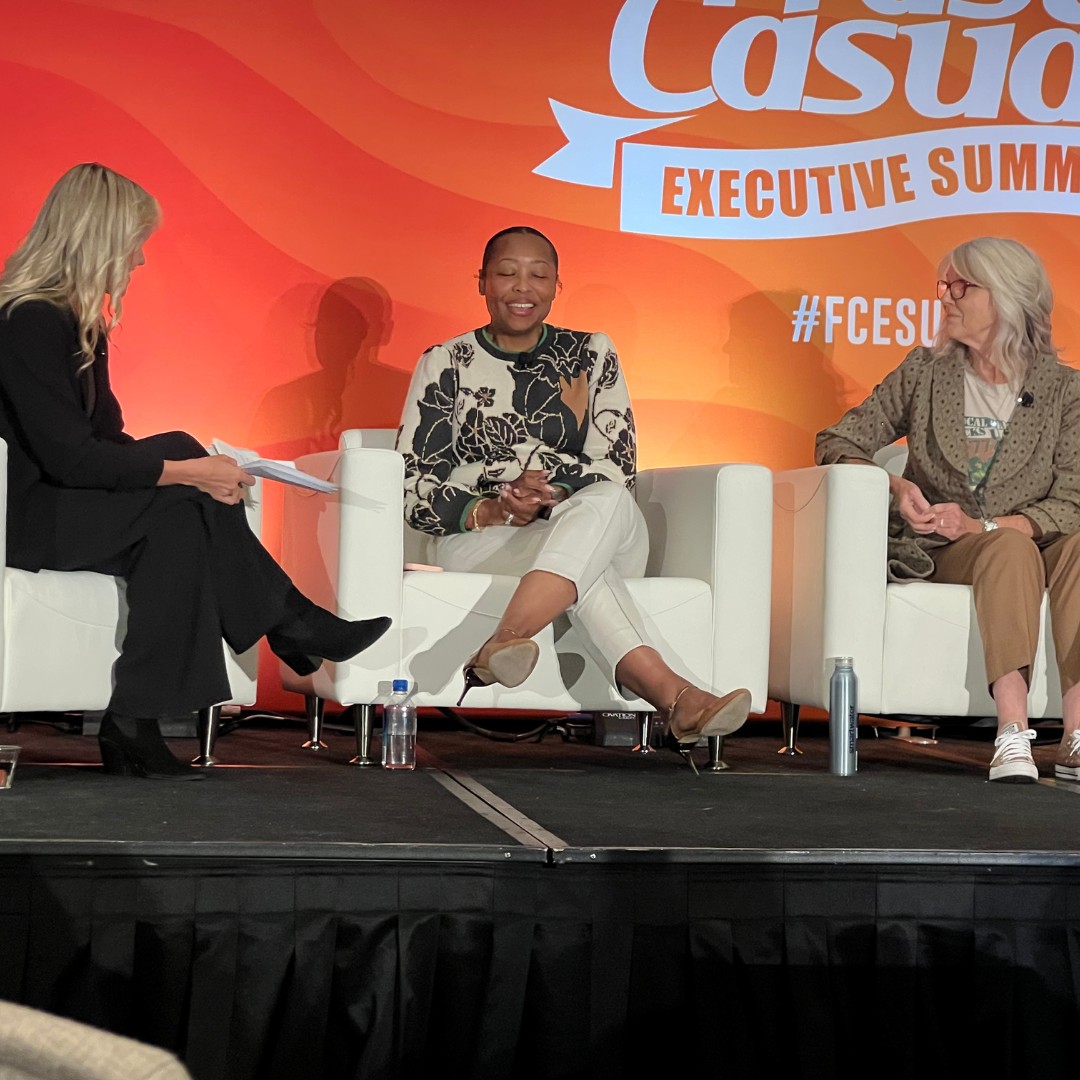
Shokouh (Sho) Shafiei opened the conversation by addressing the role of mentorship versus sponsorship, two concepts that are often conflated but serve distinct purposes in career advancement. Sho explained that mentorship involves guidance and advice, helping mentees navigate their paths, while sponsorship goes a step further, involving active advocacy for those who, for aforementioned reasons, may be prevented from scaling the career ladder as befit to their own talents and abilities. Sponsors use their influence to open doors, vouch for women in leadership, and ensure they are considered for promotions.
Reflecting on her own career, Sho said, “Mentorship gave me the confidence to step into leadership roles, but it was sponsorship that catapulted me to higher positions.”
Julie Swift continued the discussion by recommending some actions women can take to bridge the leadership gap. Starting by building a strong network of mentors and sponsors who can advocate for their growth, Julie put additional emphasis on the value of having a strong and supportive professional community. Julie brought forward eye-opening research, demonstrating that while women hold approximately 53% of all entry-level positions in the hospitality industry, only 20% hold executive positions. This stark disparity underscores the need for systemic change, and illustrates through evidenced data that women of all backgrounds do face fundamental, systemic barriers that hinder their progression in the sector.
“We need to create environments where women feel empowered to take on leadership roles,” Julie emphasized. “Mentorship programs within organizations are critical, but they must be structured for effectiveness.”
Disrupting the Status Quo With an Intentional Approach to Workplace Culture
Suzie Tsai shared her inspiring story of rising to the CEO role at Bonchon. When asked how she earned the trust of the board, Suzie highlighted the importance of authenticity, persistence, and a clear vision. "I didn’t just focus on hitting the company’s financial targets; I aimed to create a culture where employees felt heard and valued. Trust is built over time, and I made sure to back every decision with data and thoughtful strategy."
Charnell Landry followed up with a unique perspective, speaking about her approach to leadership, which she referred to as "disrupting the table." To Charnell, disrupting the table means to challenge and change traditional ways of thinking and operating in order to drive innovation and growth. This can look like challenging the status quo when building a team and implementing new technology. “When it comes to disrupting the table, it involves women not just pulling up a chair, but changing the table as a whole so we have decision-making power.” The executive title is not enough to disrupt preconceived social ideas of a “woman’s role” in the workplace, but by charting a new and different path, we can change the culture from the top-down and center diversity in every professional venture.
When asked about strategies for advancing gender equality in leadership, Julie emphasized that companies must implement intentional strategies, such as targeted leadership development programs for women and establishing sponsorship as a core part of their leadership culture. Julie shared, ”It has to begin with the CEO and the board of directors. If they are not intentional about it, it won’t get done.”
Charting a Course Towards a Fair Future for All
The panel ended on an empowering note, with each speaker reflecting on the best advice they’ve received from mentors or sponsors. Sho shared how a mentor once told her to "never be afraid to ask for what you deserve," and Julie remarked that operators are truly at the helm and that their entire supply chain network is dependent on the decisions they make as leaders within this industry.
This panel was a testament to the strength and resilience of women leaders of all backgrounds, offering a clear call to action: Mentorship, sponsorship, and challenging the status quo of culture-setting are essential in breaking down barriers and lifting more women into leadership roles. The data and the real lived experience of women in the workplace demonstrates clearly that we have a long way to go when it comes to diversity, equity, and inclusion. Beyond having the conversation – which is a first and very important step – we need to transform these strategies into real and actionable tactics championed by the leaders of our industry in service of individuals who are often not given a voice at the table. It’s also crucial to understand that supporting women in leadership is an intersectional issue that extends beyond gender expression. Factors such as race, disabilities, age, and socioeconomic background also play significant roles in shaping experiences and opportunities. Addressing these multifaceted challenges is vital to advancing a truly diverse workforce.
As women leaders in the workplace within the food industry sector take the brave step of bringing attention to the real systemic challenges that unfortunately impact every level of the supply chain, we are also awarded the opportunity to look ahead and chart a course for our professional communities that “disrupts the table.” A course where we uplift and advocate for the talented professionals in our networks, and work top-down to reimagine what food industry workplaces can look like.