Women Breaking Barriers in Food Service
Written by: Hannah Lopez
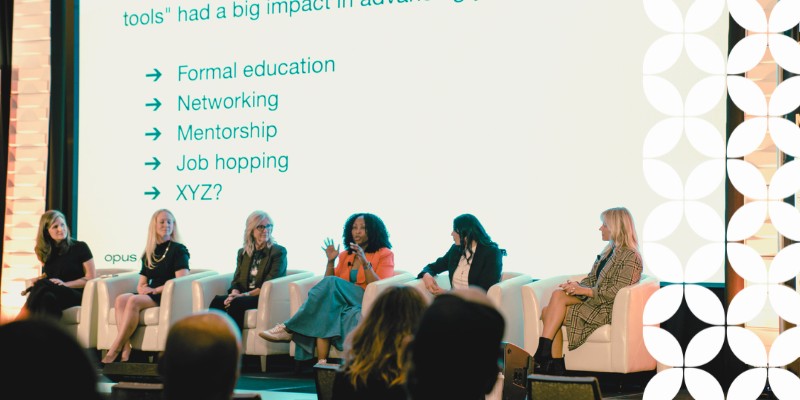
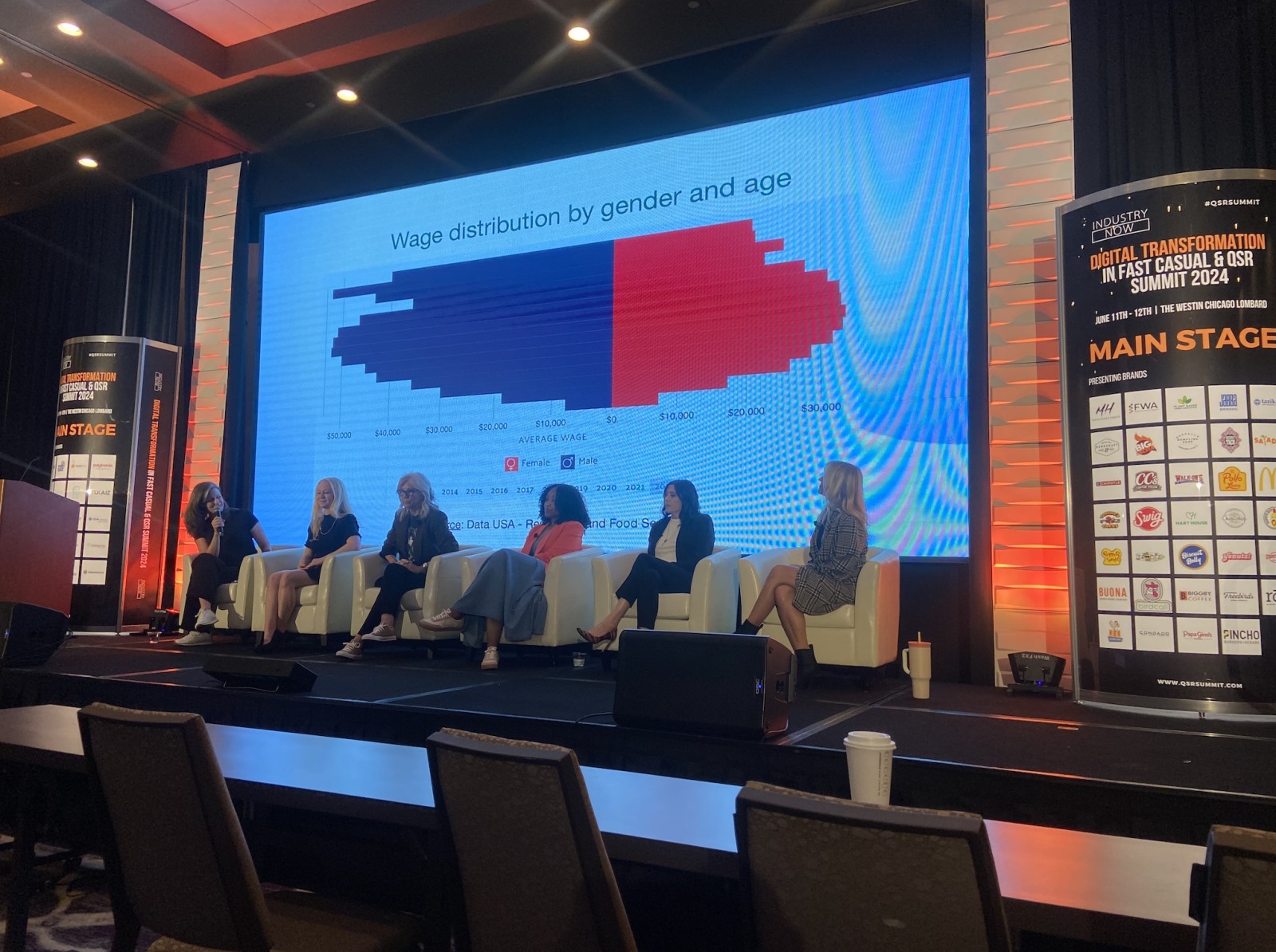
The Industry Now Summit came to a close in June, and PBFA had an incredible opportunity to co-chair the event and represent the plant-based foods industry, elevating the discourse around innovation in our space. As co-chair, I had the chance to not only discuss trends around food innovations but also lead an immersive panel discussion about women breaking barriers across foodservice. The food service industry presents a complex environment for women, marked by significant disparities between entry-level and executive roles. While women hold approximately 53% of entry-level positions, they represent only 20% of food industry executives. This stark contrast underscores the systemic barriers that hinder women's career progression in the sector.
Diverse perspectives are an essential pillar of innovation. As the interconnectedness of our food system, environment, and various social issues becomes increasingly recognized, the principles of Diversity, Equity, Inclusion, Justice, and Accessibility (DEIJA) serve as vital guideposts for driving necessary change. By hosting this conversation about women’s experiences in foodservice, we aim to open the door to further discussions that raise awareness of the systemic roadblocks hindering diversity and inclusion in the workplace. Our goal is to collaboratively identify solutions. Although this panel focused primarily on gender, we are committed to using our platform to enhance understanding of how women's leadership is an intersectional issue. We acknowledge that factors such as race, disabilities, sexual orientation, age, and socioeconomic background significantly shape the nuanced experiences of women in the workplace. By recognizing and addressing these intersectionalities, we can work towards creating a more inclusive and equitable industry for all women.
With this guiding principle in mind, it was an honor to join with fellow women leaders to moderate the Women Breaking Barriers in Food Service Panel at the Industry Now Summit. For the discussion, I was joined by Rachel Nemeth, CEO and Co-Founder of OPUS, moderating the panel that featured women from different verticals of the industry including Vanessa Varano, Vice President of Learning and Development for Mac Haik Restaurant Group; Julie Swift, Founder of the Foodservice Women's Alliance; Shokouh Shafiei, President & CEO of DSA Signage; and Charnell Landry, Director of Digital Enablement of Smalls Sliders.