
Don't Leave Plant-Based Out of the Conversation This Climate Week
Written by: Annie Taranshansky
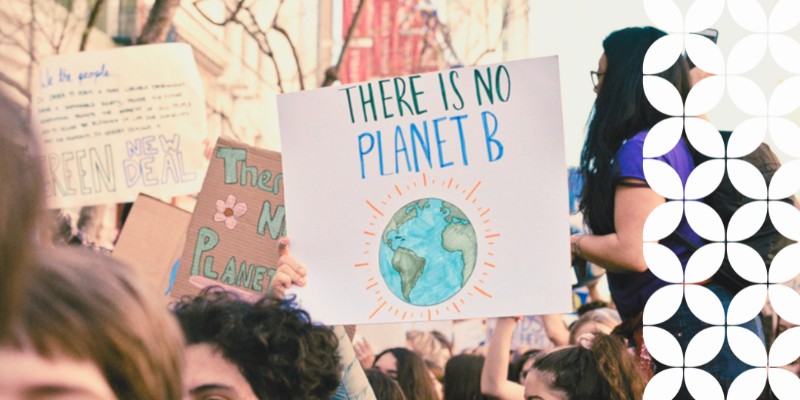
NYC Climate Week 2024 is only a couple weeks away, and droves of climate leaders, policymakers, and investors are getting ready to gather at the biggest annual climate event of its kind. The climate umbrella is wide, and events like this present us with a seemingly never ending catalog of goal-setting opportunities spanning industries such as energy production, transportation, industry, agriculture, and beyond. The buzz of conversation leading up to and following Climate Week influences what supportive action is taken by leaders, businesses and influential stakeholders with the means to propel new technologies and climate solutions into reality – and we’re here to make the case for plant-based.
The Climate Solution in Plant-Based Foods
The conversation on how to mitigate climate change is more crucial than ever. Events like NYC Climate Week help keep sustainability in the mainstream conversation for businesses and individuals alike, with multiple events on the week’s agenda especially devoted to environmental, social, and governance (ESG) targets. As we march towards 2050 and work to realize the lofty and critical climate goals laid out in the Paris Agreement, we depend heavily on our governments and businesses to take action to limit global warming to pre-industrial averages of 1.5 degrees Celsius.
Food systems as we know them are responsible for one-third of all global greenhouse gas emissions, with more than half of these emissions directly attributable to raising animals for meat and dairy, along with growing crops used for their feed. Modern-day conventional industrial agriculture, that prioritizes the production of animal-based foods, is putting an immense amount of pressure on the stability of our food system and our climate. However, research has shown that, globally, shifting from current to plant-based diets would reduce food’s greenhouse gas emissions by 49%, agricultural land use by 76%, and arable land use by 20%. In the United States alone, where per capita meat consumption is three times the global average, such a shift would reduce food’s different emissions by a whopping 61-73% and achieve a 24% reduction in an individual’s overall greenhouse gas footprint.
In addition to lowering greenhouse gas emissions, lowering our reliance on industrial animal agriculture would reduce toxic runoff and antibiotic pollution from animal manure, reduce deforestation rates and biodiversity loss. By all accounts, for humans, planet, and animals, a food system that centers growing plant-based foods for direct human consumption is a climate solution we’ve been looking for.
Plant-Based as a Climate Solution is Gaining Steam
In the lead-up to NYC Climate Week 2024, the New York Times is running a series entitled “What to Eat on a Burning Planet.” In this series of articles, the Times themselves pointed out the evidenced climate solution inherent in plant-based foods, noting that “scientists routinely publish eye-popping estimates of the impact of a switch to a plant-based diet.” In this piece, author David Wallace-Wells also makes important points about tech-centric climate solutions, once believed to be the fix we were waiting for, that are maybe actually too good to be true. Wallace-Wells writes, “Sequestering carbon in soil looks trickier than advocates expected, [...] vertical farming has experienced only stunted growth, thanks in part to its astronomical energy demands. And while genetically-modified varietals look perennially promising, they remain unpopular or even illegal in many parts of the world.”
Mainstream media is picking up on the abundant climate benefits a plant-based food system can offer – and they’re not the only ones. In a report published in May of this year, the World Bank called for a reduction in animal-based food production and a shift towards a more plant-based, carbon-friendly method of agriculture – arguing that shifting global diets plant-based could reduce harmful emissions twice as much as other methods. And beyond the World Bank, international retailers have been rallying behind plant-based in an effort to meet their climate targets, and city and county governments have been shifting their facilities to “plant-based by default,” for climate reasons as well. Even WIC food packages were expanded for the first time in 10 years to include more plant-based options in order to meet growing demand from consumers for the variety and options that plant-based affords.
Food is a powerful climate solution – from the opportunities to reduce emissions at the macro level down to the way we as consumers can dictate demand. Other climate technologies can feel abstract on the individual level, out of reach from our everyday lives and largely dependent on government or corporate action for deployment. But food is personal, food is empowering for the individual, food is even fun! As Bee Wilson writes for the New York Times, “When it comes to food, pleasure is what changes the world.”
Investing in a Brighter Future This Climate Week
We have the answer to our climate problem in front of us. But we need the support, the buy-in, and the infrastructure to make a healthy, resilient, sustainable plant-based food system our future and our reality. This NYC Climate Week 2024, we need plant-based to be part of the conversation, and part of our collective vision of a better and brighter world. The time is now, and we’re looking to the leaders and changemakers in attendance this year to consider a plant-based future that respects the dignity and health of all living beings and the planet.
And for those who will be in New York City for Climate Week 2024, PBFA will be hosting a few exciting activities to celebrate Food Day on September 24th! As part of Tilt Collective’s Food Day event, our CEO Rachel Dreskin is moderating an educational panel, led by Plant Based Foods Association and Madre Brava, titled “Plant-Powered: How Leading Retailers and Brands are Leaning Into Plant-Based to Achieve Climate Goals.” Speakers include Emily Armistead, Interim Executive Director, Madre Brava; Daniella Vega, Vice President for Health and Sustainability, Ahold Delhaize; Negar Seghdi, US Cheese General Manager, Bel Group.
- 📅 When: September 24th | 5-6:00pm
- 📍 Where: Pier Sixty, NYC
- Tickets are free, but registration is required! Sign up here.
PBFA will also be revealing a much anticipated industry-wide activation during Food Day. Keep an eye out for more details here!